

The Intersection of Sports and Religion in Popular Culture
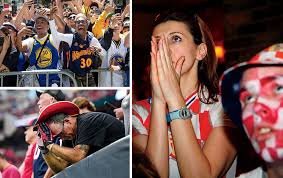
Sports will always be a fundamental part of culture. For some, sports are more than a hobby when there is nothing else on television — it is a lifestyle. Whether or not you are an athlete, or every day die-hard fan, sports are something that everyone can relate to in one way or another. According to Forbes and Mahan, more than half of the American population, and as much as one-tenth of the entire world’s population find themselves watching the Superbowl. Sporting events have become a part of popular culture. You hear about the events that transpired on every outlet — social media, news, conversations on the subway and there is no surprise religion is always a slippery slope when athletes of different cultures and diversities are provided with an outlet to speak their minds.
While many argue if sports could be considered religion, the idea of implicit religion could help connect these two ideas. Implicit religion encompasses secular or non-religious activities that are implicitly religious in the ways they are practiced (professor Harris, lecture). Sports show religion in a social aspect with the idea of bringing people together.
Novak and Price in their readings both argue that sports are a form of implicit religion. The activity of sports are: organized and structured, they place us in the presence of a power greater than ourselves, can help us deal with uncertainties and provide moral examples to live by.
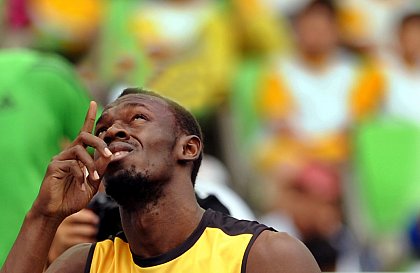
Despite being a religious activity or not, there is definitely a clear intersection of religion in popular culture. In professional sports in particular, it is becoming more common for athletes and fans to show religious support and open up about their own personal beliefs and ideologies. Many athletes are evolving from just thanking God for opportunities and the ability to play, to campaigning for equal freedom and rights that their chosen religious beliefs support.


Leave a Reply